Gisela Otto · 2 September 2026
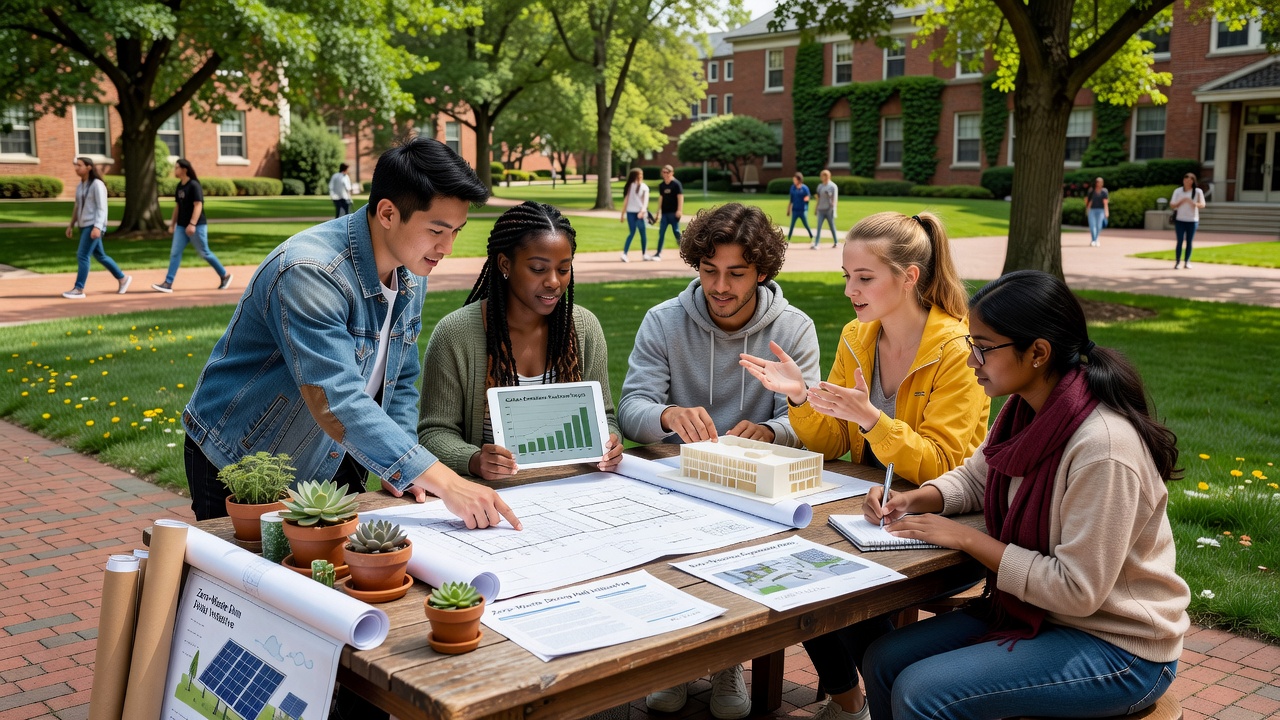
The Student Council at Cooldock Academic Community has launched an ambitious campaign to promote sustainable practices throughout the institution. This initiative comes in response to growing concerns about climate change and the need for educational institutions to lead by example in environmental stewardship. Members of the council have been meeting with administrators and faculty to discuss feasible implementations that align with the university's long-term goals.
Energy Conservation Measures
Among the primary recommendations is the installation of solar panels on major buildings to harness renewable energy sources. The council suggests transitioning all lighting systems to energy-efficient LED bulbs, which could reduce electricity consumption by up to 40 percent. Additionally, they advocate for improved insulation in dormitories and classrooms to minimize heating and cooling needs. Further proposals include the implementation of smart energy monitoring systems that allow real-time tracking of usage patterns. This data-driven approach aims to identify areas for improvement and encourage responsible consumption among students and staff. The council believes these changes will not only lower operational costs but also serve as a model for other academic institutions.
Waste Reduction and Green Spaces
The council also emphasizes comprehensive recycling programs, including the placement of specialized bins for paper, plastics, and organic waste across campus. Educational workshops are planned to inform the community about proper sorting techniques and the benefits of reducing single-use plastics. To enhance biodiversity, the Student Council proposes expanding green areas with native plant species and creating community gardens where students can participate in sustainable agriculture practices. These efforts are expected to not only improve the aesthetic appeal of the campus but also provide hands-on learning opportunities in environmental science. Ongoing surveys will gauge student support and gather feedback to refine the proposals before final approval by the administration. Partnerships with local environmental organizations are being explored to secure additional resources and expertise for successful rollout.